Cruising has long been hailed as the ultimate way to travel—imagine waking up in a new destination every day without the hassle of airports or packing and unpacking. For many, it’s the perfect blend of adventure and relaxation.
But behind the allure of endless buffets and crystal-clear waters lies a growing debate: Is cruising really the best way to explore the world, or are we overlooking its environmental and social costs?
Carbon Emissions: The Biggest Environmental Concern
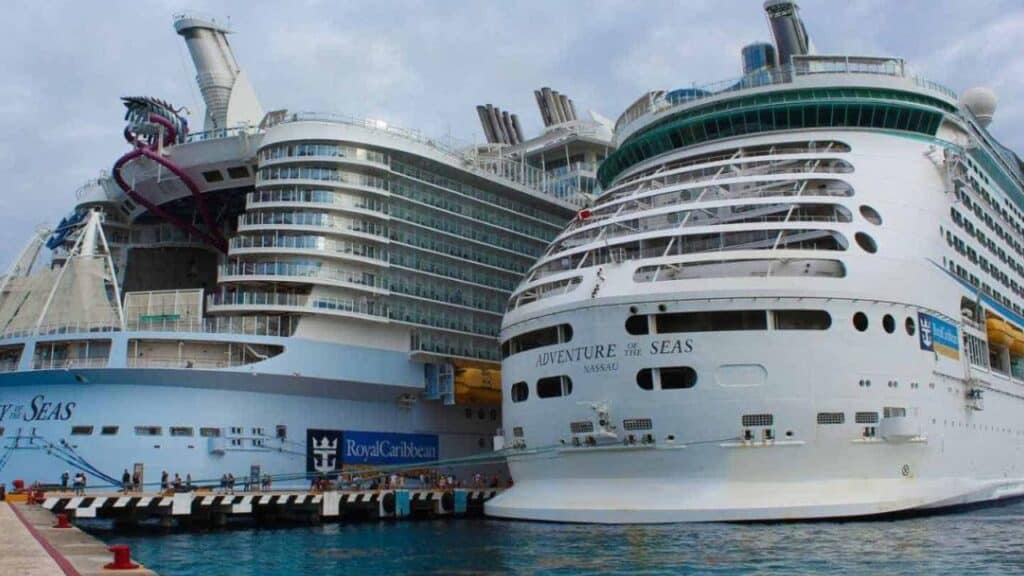
Cruise ships contribute significantly to greenhouse gas emissions. One large cruise ship can emit as much pollution as a million cars daily. Most ships rely on heavy fuel oil, one of the dirtiest energy sources, making their carbon footprint especially harmful.
Marine Pollution: Damage to Ocean Ecosystems
Cruises dump waste, including sewage and hazardous materials, directly into the ocean, affecting marine wildlife. This pollution can damage fragile ecosystems, particularly in sensitive areas like the Arctic and coral reefs.
Even “treated” wastewater can still contain chemicals and toxins that pose a risk to marine life.
Overtourism in Port Cities: Crowds and Strain on Local Resources
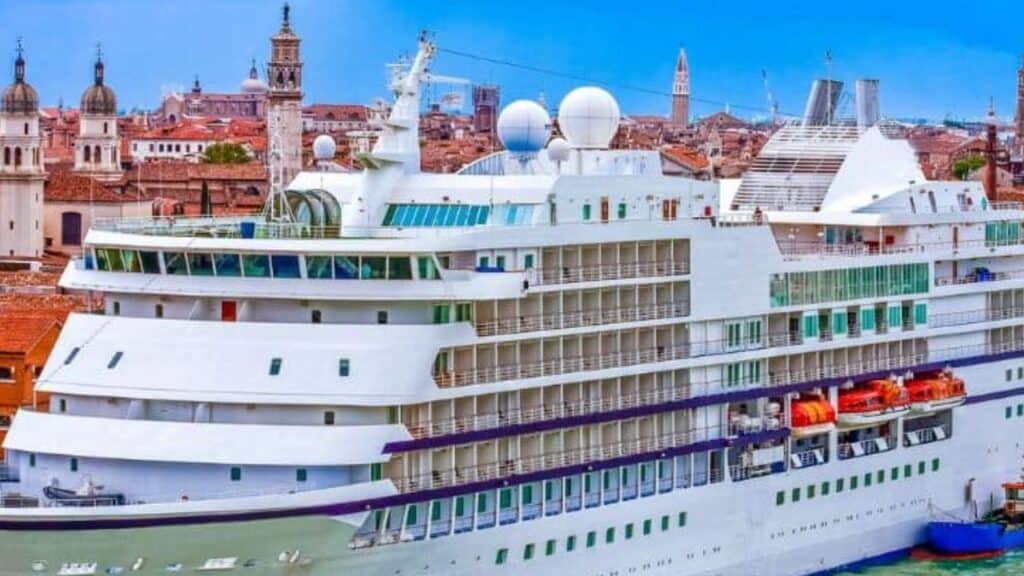
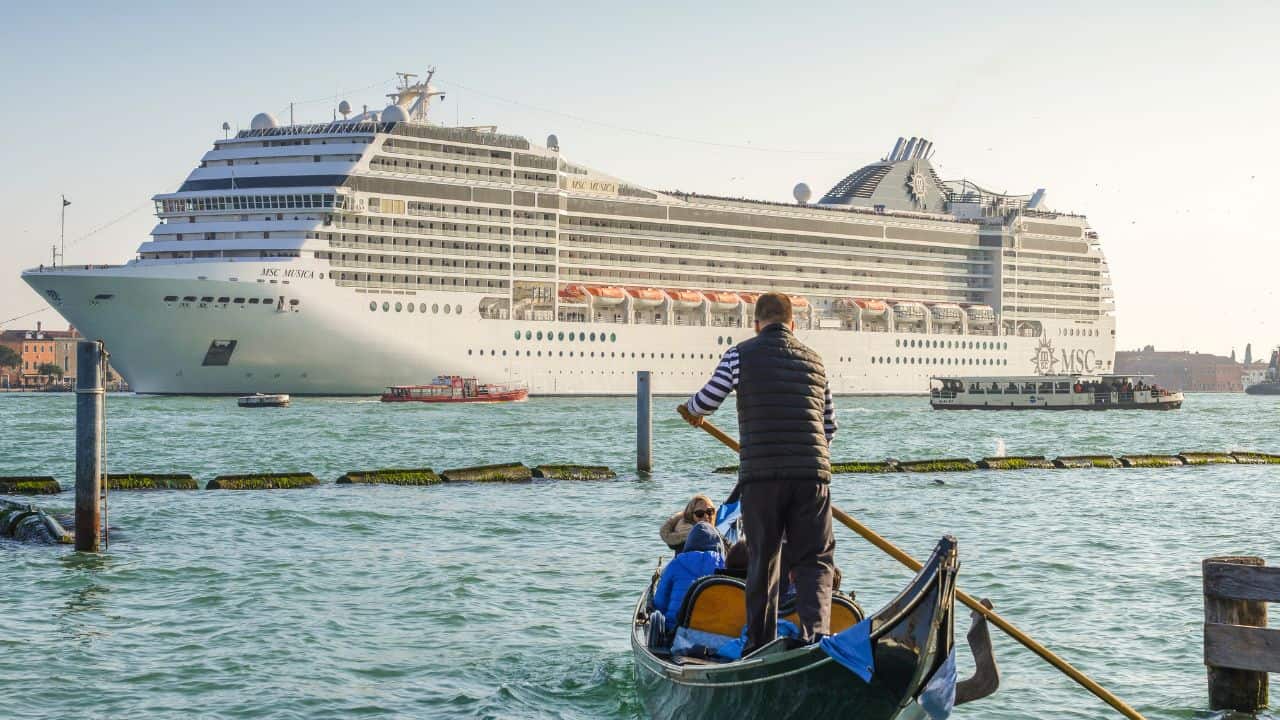
Many port cities, such as Venice and Barcelona, are struggling with overtourism due to the influx of cruise passengers. The sudden spike in tourists can overwhelm local infrastructure, push residents out, and cause long-term damage to historical sites.
Locals often feel crowded out of their own cities as housing costs rise and essential services are stretched thin.
Labor Concerns: The Hidden Workforce Behind the Luxury
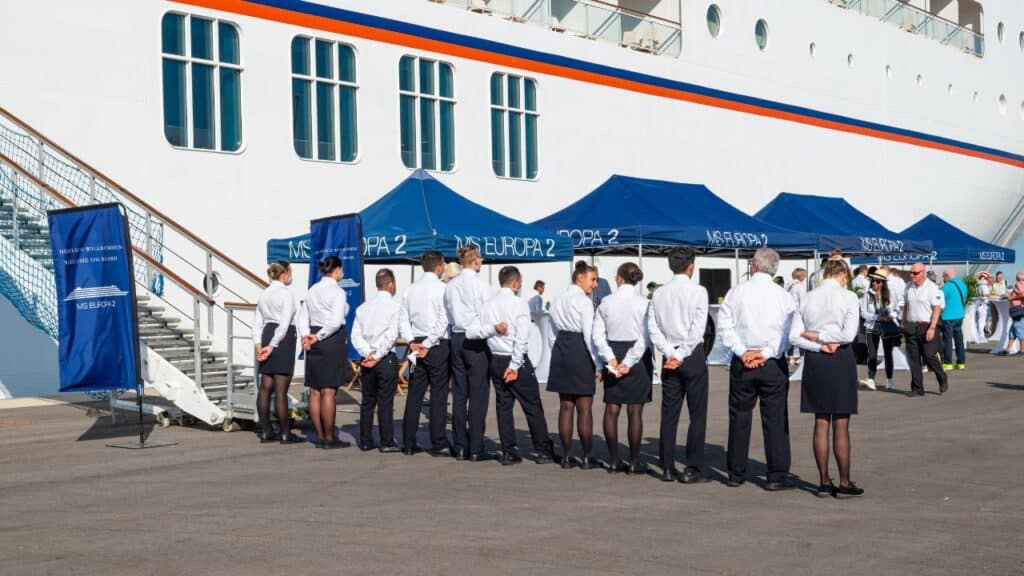
Cruise staff often work long hours for low wages and have limited rights. There have been growing calls for better working conditions and fair wages for those who make the cruise experience seamless for travelers.
Many workers come from developing countries and have limited access to legal protections, making exploitation a significant issue in this industry.
Cultural Insensitivity: Impact on Local Communities
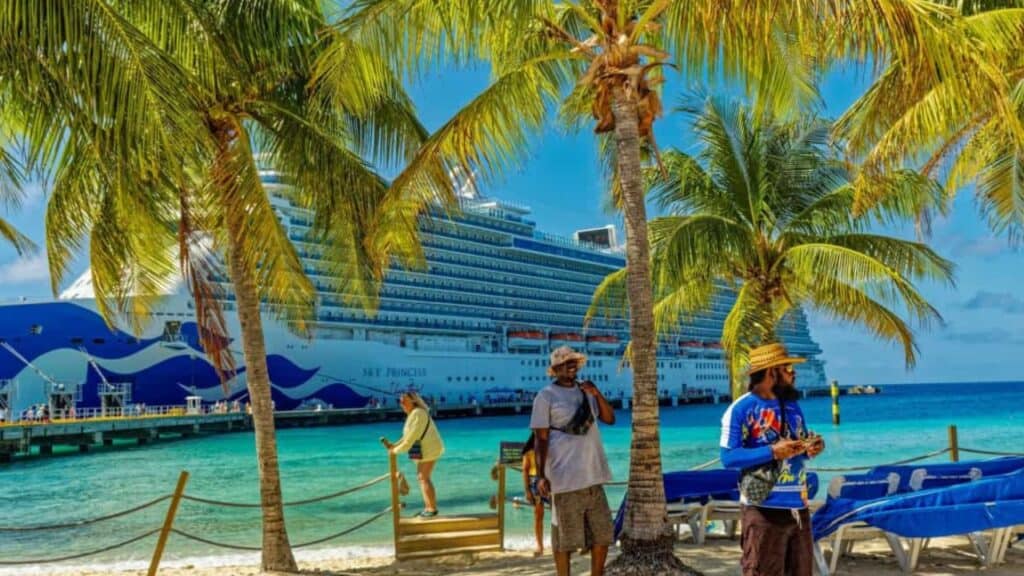
Cruise lines sometimes prioritize tourist experiences over respecting local cultures. The limited time in port can lead to superficial interactions, where tourists may miss out on truly understanding local customs and traditions.
Local residents feel that their heritage is being commercialized or disrespected for the sake of quick snapshots while their economy doesn’t benefit from the quick visit.
Economic Benefits: Local Businesses or Big Corporations?
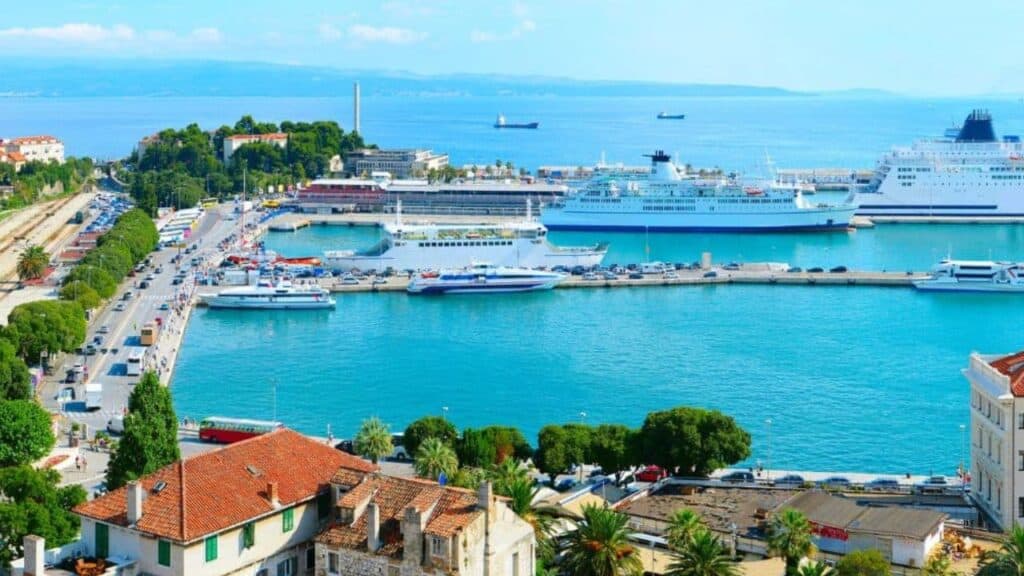
While cruises can bring economic benefits, most of the money stays with the cruise companies rather than benefiting local businesses. Small, locally-owned shops may see little of the tourism revenue as travelers often spend most of their money on board.
This has led to frustration in port cities, where residents feel like they’re losing out on the benefits of tourism.
Sustainability Initiatives: Are Cruises Making Efforts to Go Green?
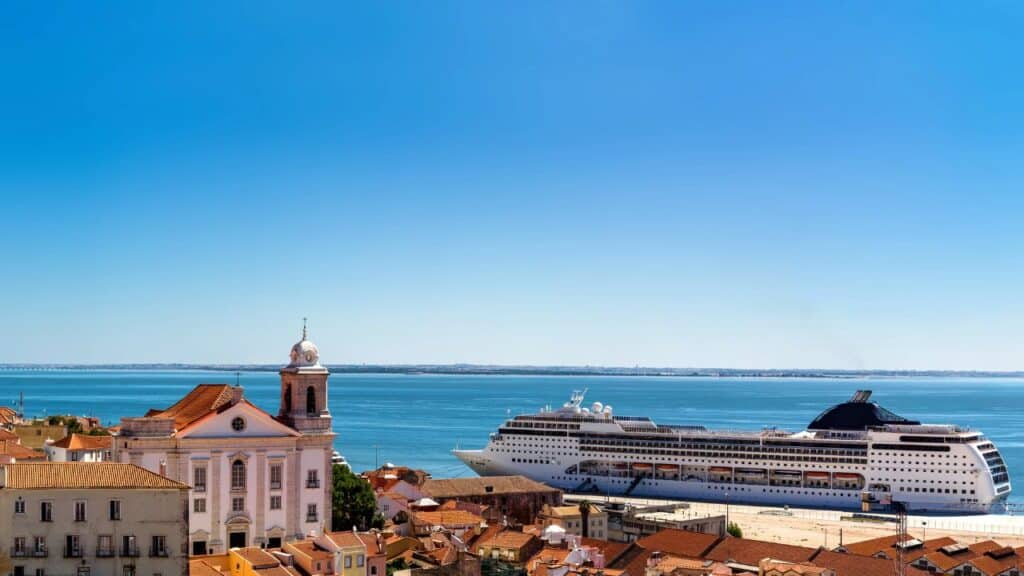
Some cruise companies are taking steps to reduce their environmental impact. From installing scrubbers to reduce sulfur emissions to implementing stricter waste disposal systems. However, critics argue that these measures are often too small to address the larger environmental impacts of the industry.
Make sure to do your research to find out which companies are leading the way in eco-friendly cruising.
Eco-Friendly Alternatives: River Cruises, Small Ships, and Sailing

If you love the idea of cruising but want a more sustainable option, consider alternatives like river cruises, smaller expedition ships, or sailboat charters. These options often have a smaller environmental footprint.
They also tend to offer more intimate, culturally immersive experiences, as these smaller vessels can access less crowded ports and spend more time in each location.
Social Impact Tourism: How Cruising Can Be Done Responsibly
Some cruise companies now offer itineraries that focus on social impact, where travelers can volunteer in local communities or contribute to conservation efforts. Look for companies that prioritize giving back in a meaningful way.
These “impact cruises” can create positive change, but it’s important to ensure they are genuinely beneficial and not just a marketing tactic.
The Future of Cruising: Can It Truly Become Sustainable?
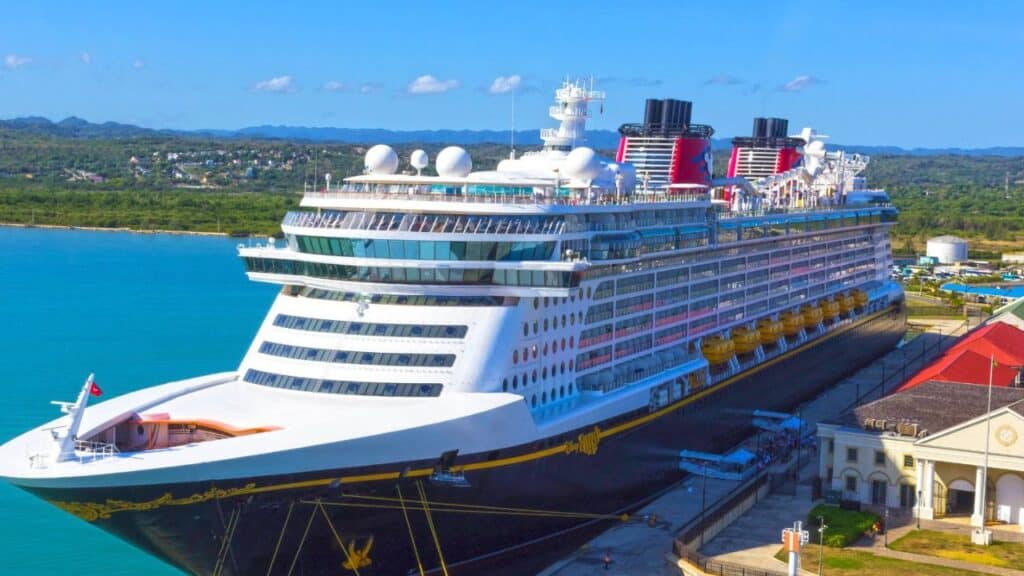
With increased awareness of the environmental and social challenges, the cruise industry is under pressure to change. But can it truly transform to become a responsible form of travel, or is the model fundamentally unsustainable?
Many believe that for cruising to be a viable option in the future, drastic reforms in energy use, waste management, and cultural respect will be necessary.