
Today’s travel is all about convenience—booking apps, luxury resorts, and Instagram-worthy spots. But, have we lost the magic that once made traveling an adventure? In the 1970s, exploring the world was a simpler, more authentic experience.
Without the distractions of modern technology and overtourism, travel felt raw and exciting. Let’s take a look at why traveling in the 70s was truly better and how today’s trends might be keeping us from the real meaning of travel.
No Smartphones – Real Connections

Back in the 70s, you couldn’t just pull out your phone to find the best restaurant or map your next stop. You had to rely on face-to-face conversations with locals and fellow travelers, which created deeper connections and often led to off-the-beaten-path experiences.
Navigating a new city with a paper map and some friendly advice gave you a sense of discovery that Google Maps simply can’t replicate. Without the distraction of constant notifications, travel was about being in the moment, fully present, and genuinely engaged with your surroundings.
Uncrowded Destinations

The 70s offered a much quieter travel experience. Iconic destinations like the Colosseum in Rome or Machu Picchu weren’t packed with tourists wielding selfie sticks. Back then, you could visit these incredible sites without the overwhelming crowds, giving you the chance to soak in the atmosphere in peace.
Today, it’s common to feel like you’re battling waves of people, but in the 70s, the pace was slower, and you could really lose yourself in the history of a place.
More Affordable Airfare

While airfare wasn’t as cheap as budget airlines today, flying in the 70s was a more inclusive experience. You didn’t have to pay extra for things like checked bags, in-flight meals, or entertainment. Airlines treated passengers to a more luxurious experience with better seating and complimentary drinks.
Even economy class felt a bit special, and there was none of the nickel-and-diming that travelers face today.
Longer, Slower Travel

Traveling in the 70s wasn’t about squeezing in as many destinations as possible in a short period. It was more about fully experiencing a place, often staying for weeks or even months in one location.
The idea of slow travel, where the process of getting there was just as important as the destination, was the norm. Today’s fast-paced, box-ticking travel culture can’t compare to the sense of true exploration back then.
Authentic Local Experiences

With no Yelp or TripAdvisor, travelers in the 70s often found local restaurants and attractions by asking around or just wandering. This sense of adventure led to more authentic experiences—there was no carefully curated list of “top 10” spots.
Instead, travelers relied on local recommendations, which often led to unexpected and unforgettable moments.
More Trust, Less Red Tape

Airport security in the 70s was a breeze compared to today’s lengthy process. There was no removing shoes, no 3-ounce liquid limits, and no long lines snaking through security checkpoints. This meant travel was faster, less stressful, and felt far more trusting. Customs and immigration procedures were simpler too.
Plus, the lack of invasive technology meant you could breeze through airports and get to the actual fun part of travel.
Travel as an Adventure, Not a Status Symbol

In the 70s, travel was about adventure and personal growth, not about how many likes your latest vacation photos could get. People traveled because they wanted to experience new cultures, not to show off on social media. There was no pressure to stay at the most Instagrammable hotel or eat at the trendiest restaurant.
Instead, travel was an opportunity to broaden your horizons, escape your comfort zone, and discover the world at your own pace.
Less Commercialized Tourist Spots
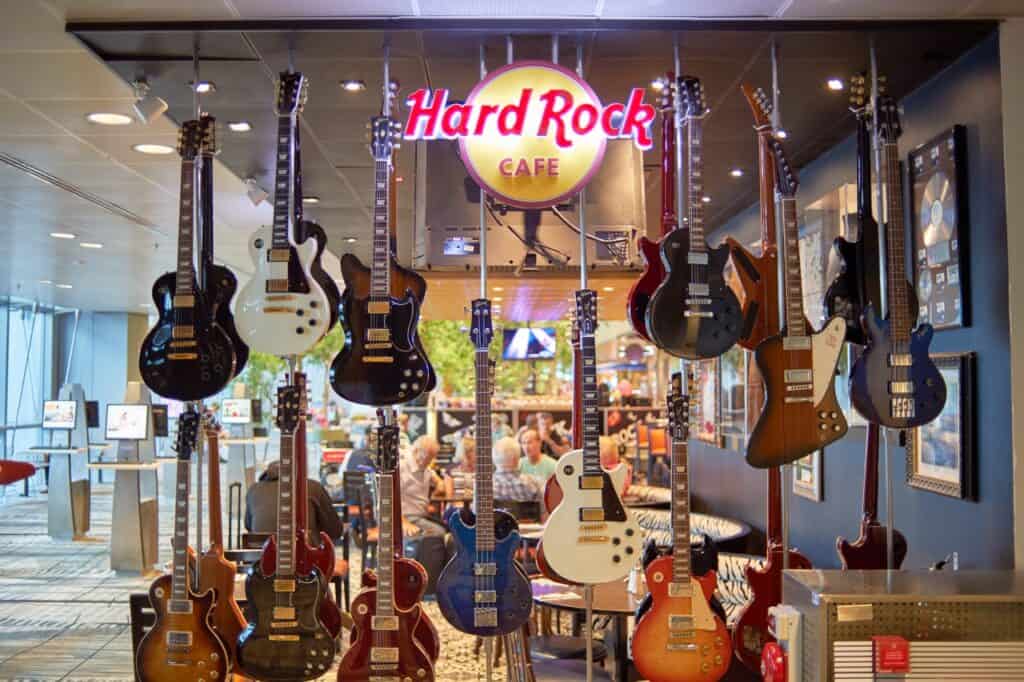
Tourist destinations were far less commercialized in the 70s. The towns around landmarks weren’t flooded with chain stores, souvenir shops, and fast-food restaurants catering to tourists. You could visit places like the pyramids of Egypt or small villages in Italy and feel like you were experiencing something unique, not the packaged tourism that dominates many spots today.
More Spontaneity

Without apps for everything, travelers in the 70s often made decisions on the fly. You’d arrive in a new town without a hotel reservation and simply find a place to stay based on availability and recommendation.
This led to more flexibility and spontaneity in travel. If you liked a place, you could stay longer; if you didn’t, you’d move on.
More Room for Discovery

In the 70s, travel guides were limited, and there was no internet to point you in a specific direction. This meant many places felt undiscovered, even if they were already known to locals. You might stumble upon an untouched beach, a small town festival, or a quiet temple without hordes of tourists.
True Disconnect
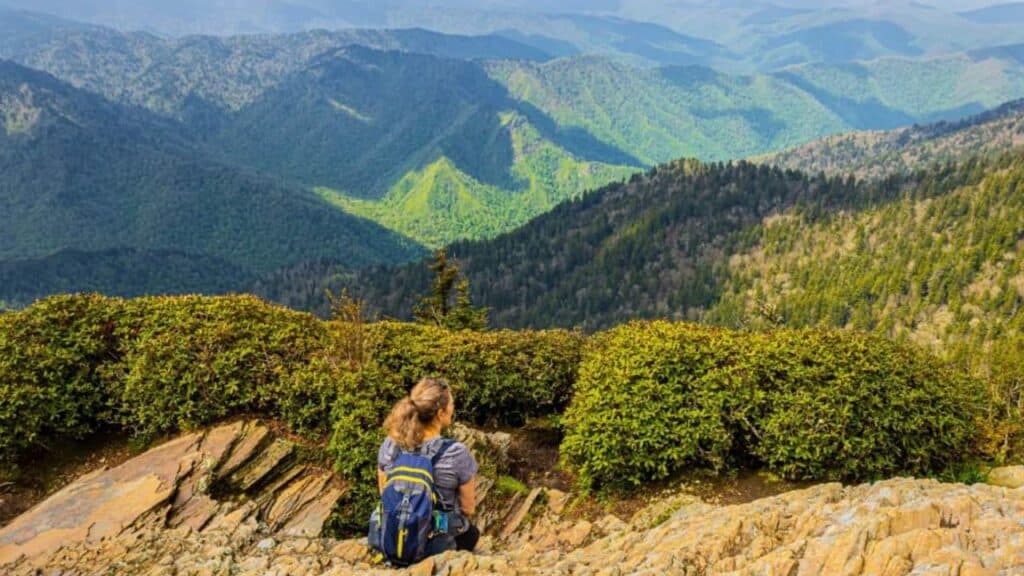
Without smartphones and Wi-Fi, travel in the 70s offered a rare chance to disconnect from the outside world. No checking emails, no updating social media, and no distractions from constant connectivity.
Instead, travelers were fully immersed in the experience, present in every moment. The inability to connect with home instantly meant you had to live in the here and now.
Less Environmental Impact

Travel in the 70s had a smaller environmental footprint. Fewer planes were flying, there was less mass tourism, and natural destinations were better preserved. Overtourism wasn’t a major concern, and the strain on the environment from excessive travel wasn’t as visible.
Today, many of the world’s most beautiful places are at risk due to the sheer volume of visitors.