

Winter travel can be a magical experience, but it often comes with its own set of challenges: skyrocketing prices, unpredictable weather, and the stress of navigating peak season logistics. The good news? With the right strategies, you can transform your winter travel from a potential financial and emotional nightmare into a smooth, budget-friendly adventure.
In this guide, I’ve compiled 17 expert travel hacks that will help you save money, reduce stress, and make the most of your winter journeys. These hacks are designed to help travelers of all budgets and experience levels.
Pack Smart with Compression Bags

Compression bags are a game-changer for winter travel, allowing you to pack more efficiently and avoid excess baggage fees. These ingenious bags compress your bulky winter clothing which means you can potentially avoid checking an extra bag.
Not only do compression bags save space, but they also keep your clothes organized. Look for reusable, vacuum-seal bags that are durable and can withstand multiple trips, making them a cost-effective investment for frequent winter travelers.
Use Travel Reward Credit Cards

Travel reward credit cards can be your secret weapon for reducing travel expenses during the winter season. Many cards offer sign-up bonuses that can translate to free flights, hotel stays, or significant discounts on travel-related expenses.
Look for cards that provide additional perks like travel insurance, free checked bags, or airport lounge access.
Consider Alternative Accommodations

Hotels can be expensive during peak winter travel seasons, especially in popular destinations. Consider alternatives like vacation rentals, hostels, or home-sharing platforms that often provide more affordable and unique lodging experiences.
Many alternative accommodations offer kitchen facilities, allowing you to save money by preparing some of your own meals.
Travel with Carry-On Only
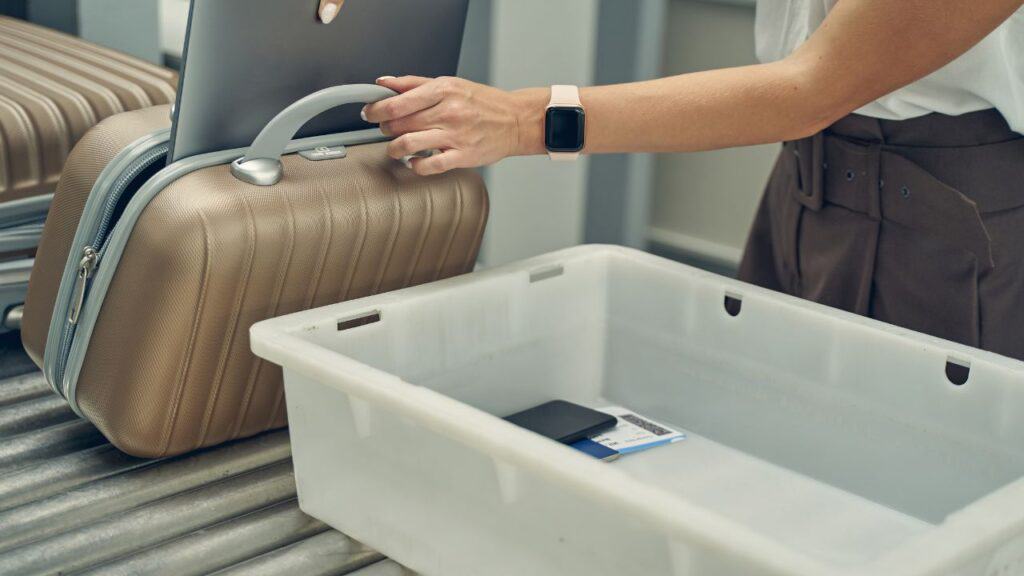
Avoiding checked baggage can save you significant money and reduce travel stress during winter trips. Most airlines charge $30-$50 per checked bag, and winter clothing is already bulky, making carry-on strategies crucial.
Invest in a high-quality, lightweight carry-on bag and learn to mix and match versatile clothing pieces. Choose items that can be layered and coordinated easily, reducing the total number of items you need to pack while staying warm and stylish.
Use Price Comparison Websites

Price comparison websites are essential tools for finding the best deals on flights, accommodations, and rental cars. Platforms like Skyscanner, Kayak, and Google Flights allow you to compare prices across multiple providers and set up price alerts.
Many of these sites also offer price prediction tools that can help you determine whether to book now or wait for potentially lower prices. Some even provide calendars showing the cheapest days to fly, enabling you to plan your winter travel more strategically.
Purchase Travel Insurance

While it might seem like an additional expense, travel insurance can actually save you money and provide peace of mind during unpredictable winter travel. Winter weather can cause flight cancellations, delays, and unexpected challenges that might otherwise result in significant out-of-pocket expenses.
Look for comprehensive travel insurance that covers medical emergencies, trip cancellations, lost luggage, and weather-related disruptions. Some credit cards and travel reward programs offer complimentary travel insurance, so check your existing benefits before purchasing a separate policy.
Download Travel Apps

Apps like Hopper predict flight prices, while others offer last-minute hotel discounts or comprehensive travel itinerary management. Consider downloading apps for airlines, hotels, and travel services you frequently use.
Many offer mobile-exclusive discounts, digital boarding passes, and instant customer support that can help you navigate unexpected travel challenges more efficiently.
Be Flexible with Destinations
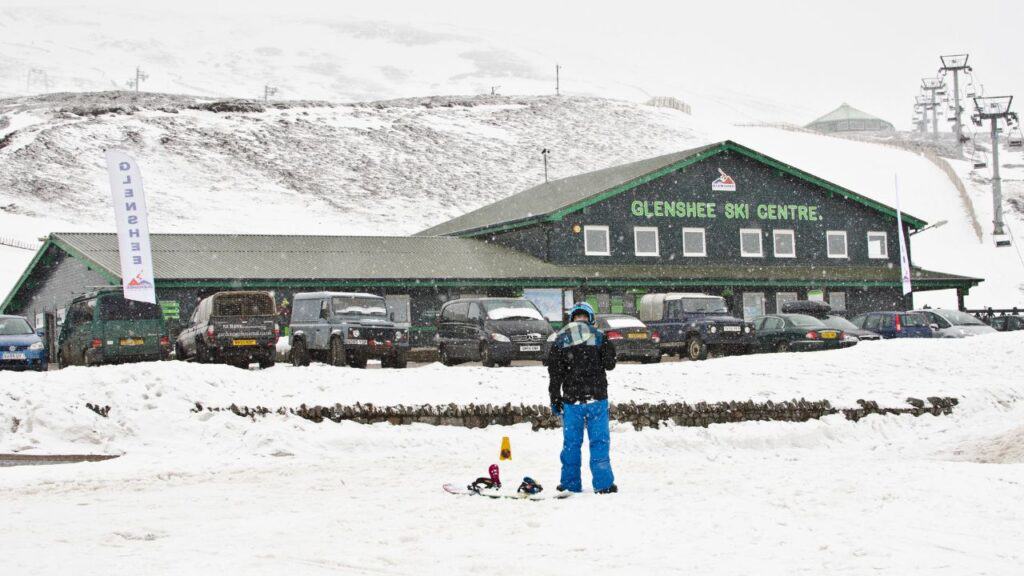
Popular winter destinations can be extremely expensive, but being flexible about your travel location can lead to significant savings. Consider less touristy destinations that offer similar experiences at a fraction of the cost.
Research emerging winter travel spots or destinations during their off-peak seasons. For example, instead of visiting a famous ski resort, explore smaller mountain towns that offer similar winter activities but with more affordable accommodations and fewer crowds.
Use Public Transportation

Renting a car or taking taxis can quickly drain your travel budget, especially in winter when rental prices and ride-share services might be more expensive.
Before your trip, research local transportation options like buses, trains, and metro systems. Many cities offer multi-day transit passes that are significantly cheaper than individual rides or car rentals.
Pack Your Own Snacks and Water Bottle

Airport and travel destination food can be incredibly expensive, especially during peak winter travel times. By packing your own snacks and bringing a reusable water bottle, you can save a substantial amount of money.
Choose non-perishable, nutrient-dense snacks like nuts, dried fruit, and protein bars. Many airports have water refill stations after security, allowing you to stay hydrated without purchasing expensive bottled water. Just ensure your water bottle is empty when going through security.
Check for Student and Senior Discounts

If you’re a student or senior citizen, numerous travel discounts are available that can significantly reduce your expenses. Many attractions, transportation services, and accommodations offer special rates for these groups.
Always carry your ID with you and ask about available discounts.
Use Cashback and Coupon Websites

Cashback websites and coupon platforms can help you save money on travel-related purchases. Websites like Rakuten, TopCashback, and Honey offer cashback or discount codes for flights, hotels, and travel gear.
Before making any travel purchases, check these platforms for potential savings.
Travel During Shoulder Seasons

Shoulder seasons, which are the periods just before and after peak winter travel times, offer more affordable travel options. Prices are lower, destinations are less crowded, and you can still enjoy many winter activities.
For ski destinations, this might mean traveling in early December or March. For other winter destinations, look for periods just before or after the main holiday season when prices drop but the experience remains largely the same.
Use Incognito Browser Mode

When searching for travel deals, use your browser’s incognito or private mode to avoid price tracking. Travel websites often use cookies to track your searches and can incrementally increase prices based on your repeated interest.
This can help you find more consistent and potentially lower pricing for flights and accommodations.
Join Loyalty Programs

Many airlines, hotels, and travel services offer free loyalty programs that provide points, discounts, and exclusive offers. Even if you don’t travel frequently, these programs can accumulate benefits over time.
Sign up for loyalty programs before your trip, and always provide your membership number when booking.
Use Local SIM Cards or International Plans

Roaming charges can quickly become expensive during international travel. Research local SIM card options or international phone plans that can help you stay connected without breaking the bank.
This can save you hundreds of dollars compared to standard international roaming charges.
Plan and Book in Advance

Last-minute bookings during winter travel can be significantly more expensive. By planning and booking your travel arrangements well in advance, you can secure better rates and have more options available.
Start researching and booking at least 2-3 months ahead for winter travel. You’ll also have a better selection of flights, accommodations, and activities at more competitive prices.