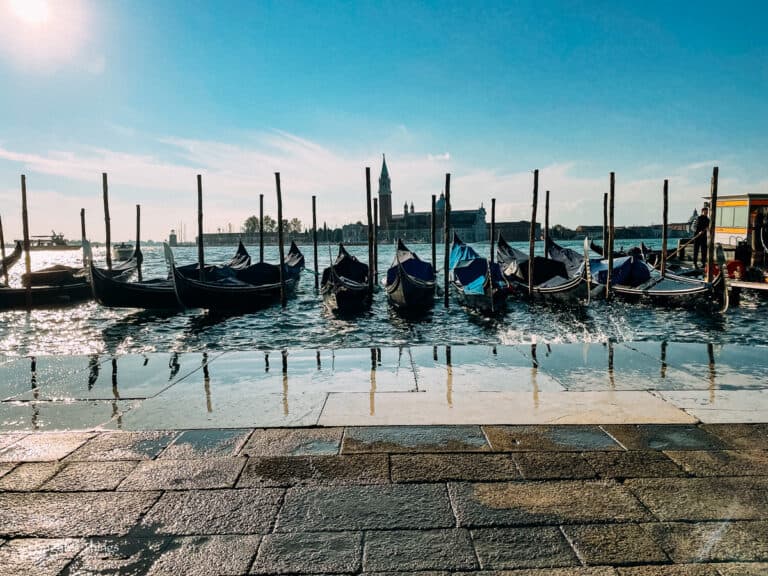
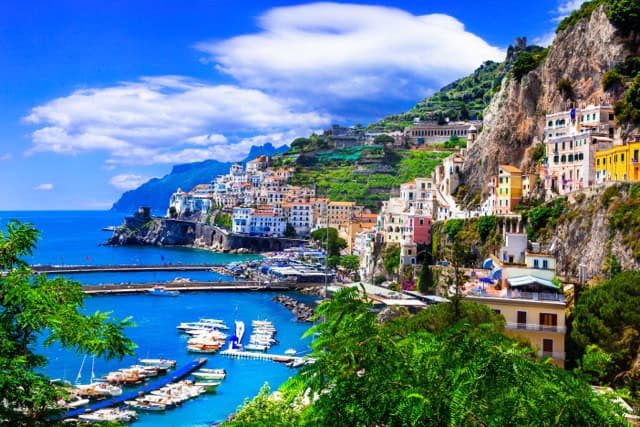
Did you know that spring in Italy isn’t just about blooming flowers and perfect weather? It’s actually when some of the most fascinating cultural traditions come alive, like Easter processions walking through cobblestone streets and flower festivals transforming entire towns into living art galleries.
Before you pack those bags for your Italian adventure, let’s talk about something that can make or break your experience: cultural etiquette. While the locals are incredibly welcoming, understanding their customs isn’t just about avoiding faux pas – it’s your ticket to experiencing Italy in Spring like a true insider.
This article may contain affiliate links. If you purchase through these links, I may earn a small commission at no cost to you. Thank you for your support!
The Cultural Heritage of Italy

When you step into Italy, you’re walking through thousands of years of rich cultural heritage. From the ancient Romans to the artistic wonders of the Renaissance, Italian culture runs deep in every corner of the country.
Getting to know local customs will make your visit so much more special. It’s not just about seeing the sights – it’s about connecting with the way Italians live. And if you’re planning to visit churches or historical places, you’ll want to respect the dress codes and behaviors that locals hold dear.
Think of cultural etiquette as your key to truly experiencing Italy. When you show respect for local traditions, you’ll find Italians are incredibly warm and welcoming!
Dining Etiquette
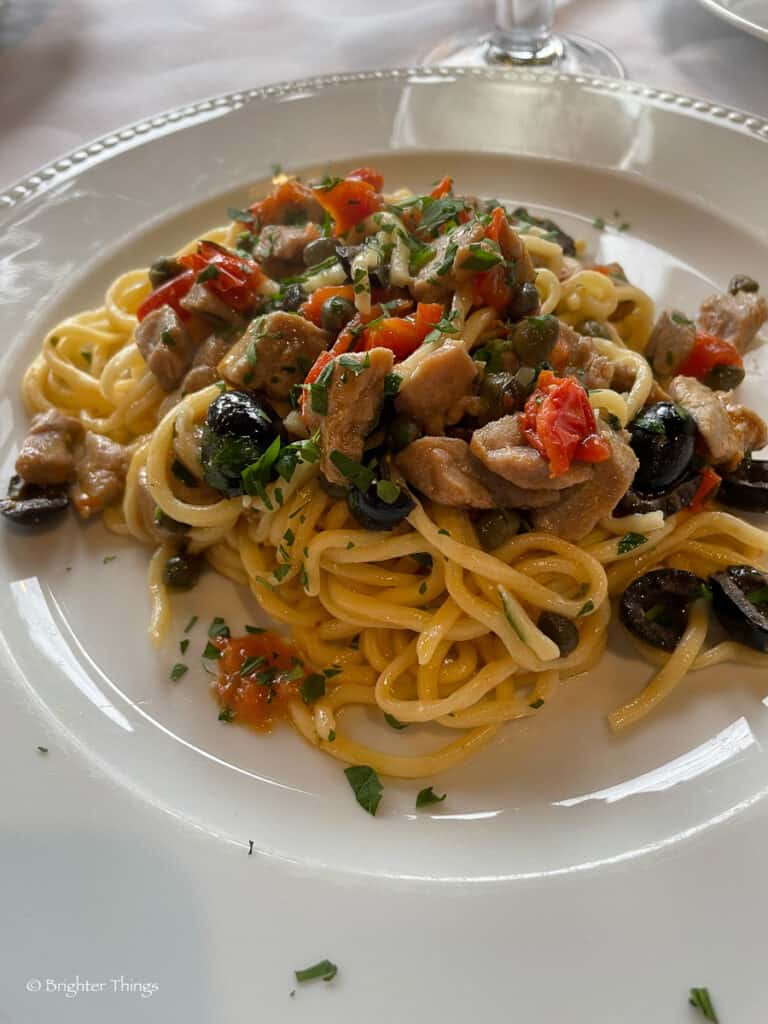
Want to eat like a local in Italy? You’ll find mealtimes run a bit later than you might expect – lunch happens between 1-3 PM, and dinner starts around 8 PM.
Table manners are pretty specific here. Always pass food to your left, keep those elbows off the table, and stick to using just your fork for pasta (no spoons needed!). When you’re handling utensils, keep your fork in your right hand and knife in your left throughout the meal.
Tipping is simpler than back home – 10-15% is perfect for great service, but many restaurants include a service charge right on the bill.
Dress Codes and Fashion
In Italy, what you wear really matters! When you’re visiting churches, keep your shoulders and knees covered – a light scarf in your bag can come in handy. Italian cultural traditions take pride in their appearance, so you’ll fit in better if you skip the flip-flops (save those for the beach).
Spring brings mild weather, perfect for layers. Pack a mix of casual and smart outfits – think neat jeans, crisp shirts, and comfortable walking shoes for city exploring. In Rome or Milan, you’ll notice locals love putting together polished looks, even for everyday activities. A well-chosen outfit shows respect for Italian culture and helps you blend right in with the locals.
Social Norms and Interactions
Making friends in Italy starts with a warm greeting in Italian customs in the morning or “Buonasera” in the evening. You’ll notice Italians love to chat with direct eye contact – it shows you’re truly interested in the conversation.
When meeting friends or family members, get ready for the traditional two-cheek kiss. But if you’re meeting someone for business, a firm handshake works perfectly.
Remember that personal space in Italy might feel a bit closer than what you’re used to. Italians often stand quite near when talking, and they use lots of hand gestures. It’s all part of their expressive communication style!
Language and Communication
Even if you don’t speak Italian, knowing a few basic phrases will make your time in Italy much more fun. Try starting with “Grazie” (thank you) and “Per favore” (please) – locals really like when visitors make an effort to communicate – locals really like when visitors make an effort!
While you’ll find English speakers in most tourist spots, especially hotels and popular restaurants, don’t count on it everywhere. Small shops and cafes in local neighborhoods might stick to Italian only. Keep a translation app handy on your phone for those moments when hand gestures just won’t cut it!
Learning to say “Scusi” (excuse me) and “Permesso” (may I?) will help you navigate crowded streets and markets with grace. Just make sure to smile – it’s the universal language!
Religious and Cultural Sites Etiquette
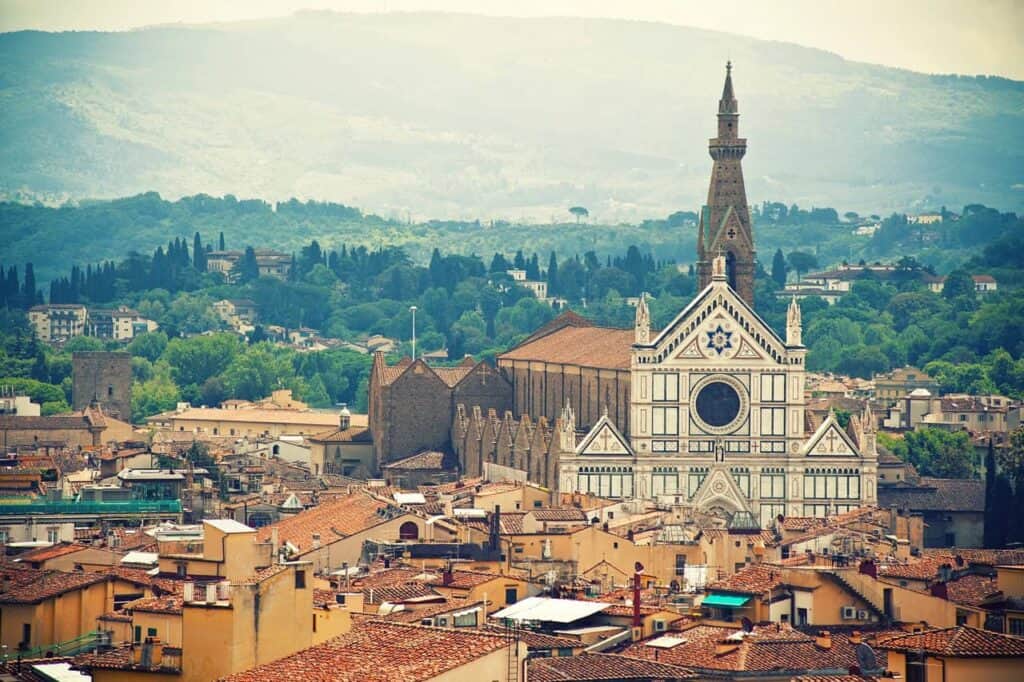
When visiting Italian churches, keep your shoulders and knees covered – a light scarf or wrap works perfectly. You’ll want to speak quietly and turn your phone to silent mode before stepping inside.
In museums and historical spots, you’ll find Italians take their cultural heritage seriously. Photos are often allowed (without flash), but always check the signs first. Some places ask you to buy a photo permit.
Keep your voice down and give other visitors space to enjoy the artwork. If you’re bringing a backpack, you might need to check it at the entrance. And remember – touching artifacts or leaning on ancient walls is a big no-no, even for that perfect photo op!
Public Transportation and Navigation
Getting around Italy by public transport is a breeze once you know the basics! Always keep your ticket handy and make sure to stamp it properly before boarding trains or buses – this is super important to avoid fines.
Here’s a helpful tip: seats at the front of buses and trains are for older folks, pregnant women, or anyone with mobility issues. If you’re in one of these spots and see someone who needs it more, offering your seat is the polite thing to do.
Want to fit in like a local? Form neat lines at bus stops and train platforms. Italians value order in public transport, even if things might look a bit chaotic at first glance!
Shopping and Business Hours
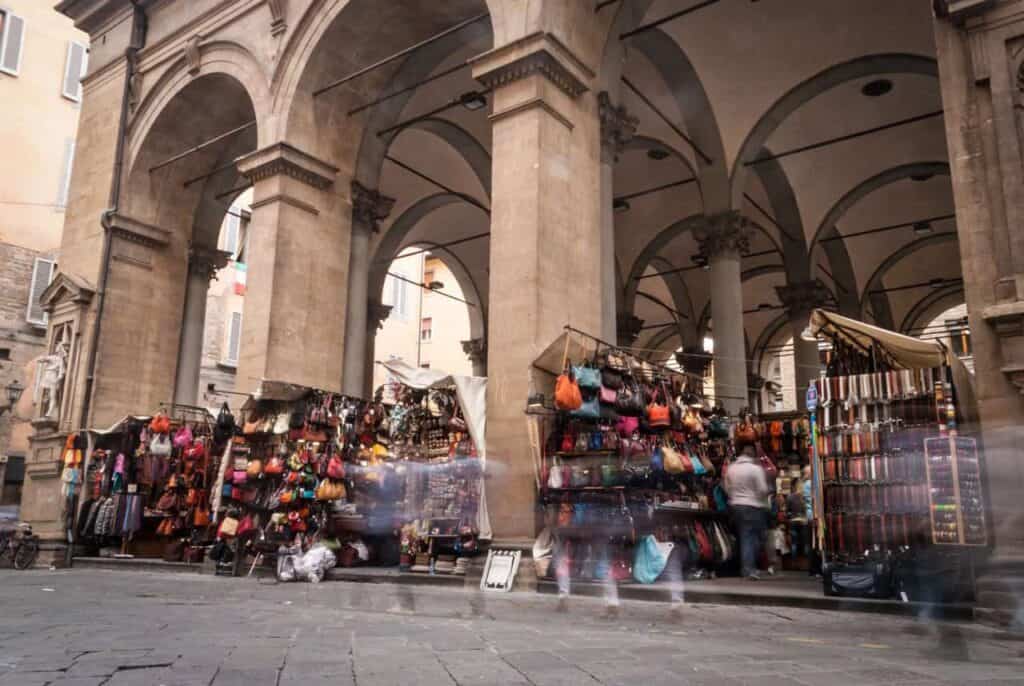
Planning your shopping in Italy takes a bit of timing know-how! Most shops close for a mid-day break between 1:00 and 3:30 PM, when locals head home for lunch and rest. This Italian culture and traditions runs deep in Italian daily life, so it’s best to plan your shopping either in the morning or later afternoon.
In regular stores, prices are fixed, but local markets are different. While you can try a bit of friendly bargaining at markets, don’t push too hard – Italians price their goods fairly. The best approach? Build a friendly rapport with vendors first, then ask politely if they can offer a better price.
Tipping Practices in Various Situations
Tipping in Italy works quite differently than what you might be used to! In restaurants, you’ll often see a “coperto” (cover charge) or service charge already included on your bill. If you’re really happy with the service, leaving an extra 10% is a nice gesture, but it’s not required.
At hotels, give €1-2 per bag for porters and €1-2 per day for housekeeping. Taxi drivers appreciate rounding up to the nearest euro, while tour guides welcome €5-10 for a half-day tour.
In cafes, leaving small change from your coffee is perfectly fine. And here’s a helpful tip: always give tips in cash, even if you pay by card!
Regional Differences in Customs and Etiquette
Italy’s north and south traditions each have their own special way of doing things! In the north, you’ll find people stick to stricter schedules and more formal greetings. Milan and Turin locals often prefer a quick handshake over the traditional double-cheek kiss.
Head south to Naples or Sicily, and you’ll notice a more laid-back vibe. Mealtimes might start even later, and social gatherings tend to be more casual. Family-style dining is big here, with lots of shared plates.
Each region also has its own dialects and gestures. What’s polite in Rome might seem odd in Venice. When in doubt, watch what the locals do and follow their lead!
Italy in Spring-Specific Considerations
Spring in Italy brings Easter celebrations to life with beautiful religious processions through town squares and streets. You’ll spot locals carrying olive branches on Palm Sunday and joining candlelit processions during Holy Week.
Many towns host their own food and flower festivals as the weather warms up. You might catch the Infiorata, where streets become works of art with flower petals, or local sagre (food festivals) celebrating seasonal ingredients.
Want to join in? Feel free to watch processions and festivals, but keep a respectful distance from religious ceremonies. Bring your camera, but check if photography is allowed during sacred moments. Most Italians appreciate visitors who show interest in their traditions while being mindful of their significance.
Practical Tips for American Women Travelers
When you’re out and about in Italy, keeping a few key things in mind will help you feel more at ease. Pay attention to your surroundings, especially in busy tourist spots or on public transport. Carry your bag close to your body, and keep valuables in a front pocket or hidden pouch.
You might notice Italian men can be more forward with compliments or attention than you’re used to. A firm “No, grazie” and continuing to walk usually does the trick. If you feel uncomfortable, head into a nearby shop or find a family-friendly cafe.
Wrapping Up Your Italian Adventure

When you visit Italy in spring, keeping these customs in mind will make your trip so much better! From joining Italian dining etiquette to timing your meals just right, each detail adds to your experience. Remember to dress thoughtfully, greet warmly, and show respect at cultural sites.
Most importantly, bring an open mind and friendly attitude. Italians love sharing their culture with visitors who make an effort to fit in. A simple “grazie” and a smile go such a long way!
So pack that scarf, practice your basic Italian phrases, and get ready to experience Italy like a local. You’ll find that respecting these traditions makes every moment more special.
Additional Resources for Further Reading
Want to learn more about Italian culture before your trip? The Official Italian Tourism Website offers up-to-date tips about local customs and events happening during your visit.
For food lovers, pick up “Old World Italian: Recipes and Secrets from our Travels in Italy” – it’s packed with stories about traditional dishes and dining customs. Check out Rick Steves’ Italy guides too; they’re written with American travelers in mind.
Local blogs like “Italian Dual Citizenship” share weekly updates about festivals and cultural events. And if you’re keen to practice Italian, the free Duolingo app makes learning basic phrases fun and easy!
Making the Most of Your Italian Spring Adventure
Looking back at all these cultural guidelines might feel a bit overwhelming, but here’s the thing – Italians don’t expect perfection from visitors. What they truly appreciate is your genuine effort to understand and respect their way of life. Remember, every “grazie” you say and every cultural norm you embrace opens another door to authentic experiences.
So as you plan your spring journey to Italy, think of these etiquette tips as your friendly guide to deeper connections, not strict rules. Pack that spirit of curiosity along with your spring wardrobe, and you’ll discover that respecting local customs makes every gelato sweeter and every conversation richer.