
Keeping Clean While You Travel

In an era marked by health concerns, the quest for hygiene during travel has taken precedence. You, like many, might wonder what the rules are for bringing hand sanitizers aboard planes. During the pandemic, a significant increase in the use of disinfectant products became evident.
Ensuring you carry the correct types and sizes of hand sanitizers and disinfectant wipes in your carry-on luggage or hand luggage, without breaking the Transportation Security Administration’s regulations, emerged as crucial.
TSA Regulations and Hand Sanitizer

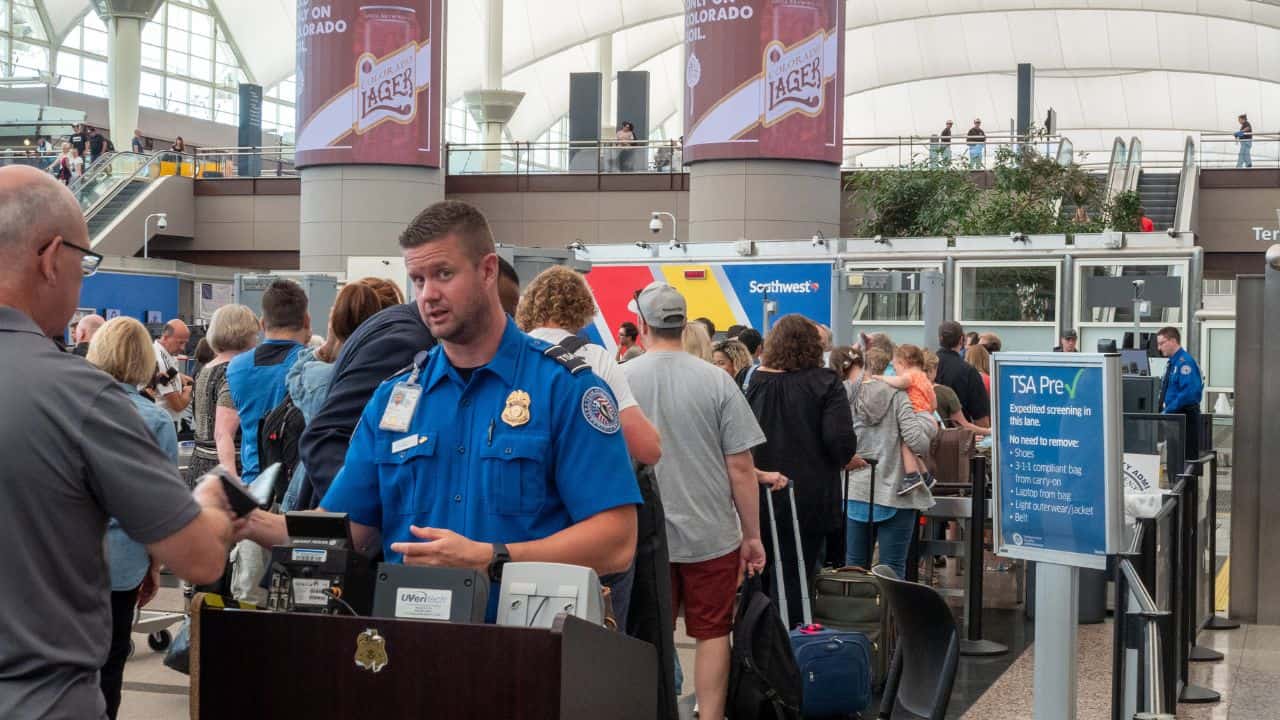
The Transportation Security Administration (TSA) established strict guidelines for carry-on liquids, traditionally capping containers at 3.4 ounces. This rule is part of the widely recognized 3-1-1 policy for carry-on bags. These security measures aimed to mitigate the risk of dangerous goods disrupting the safety of flights across the United States and international routes. Amid the spread of COVID-19, a temporary exemption surfaced, a rare piece of good news during a very stressful time to travel.
TSA agents were permitting one liquid hand sanitizer container per passenger in carry-on luggage. This container could hold up to 12 ounces, a significant increase from the standard limit.
This exemption has since expired and hand sanitizer is now back to the normal liquids rule. Make sure to pack accordingly!
Choosing the Right Hand Sanitizer for Air Travel
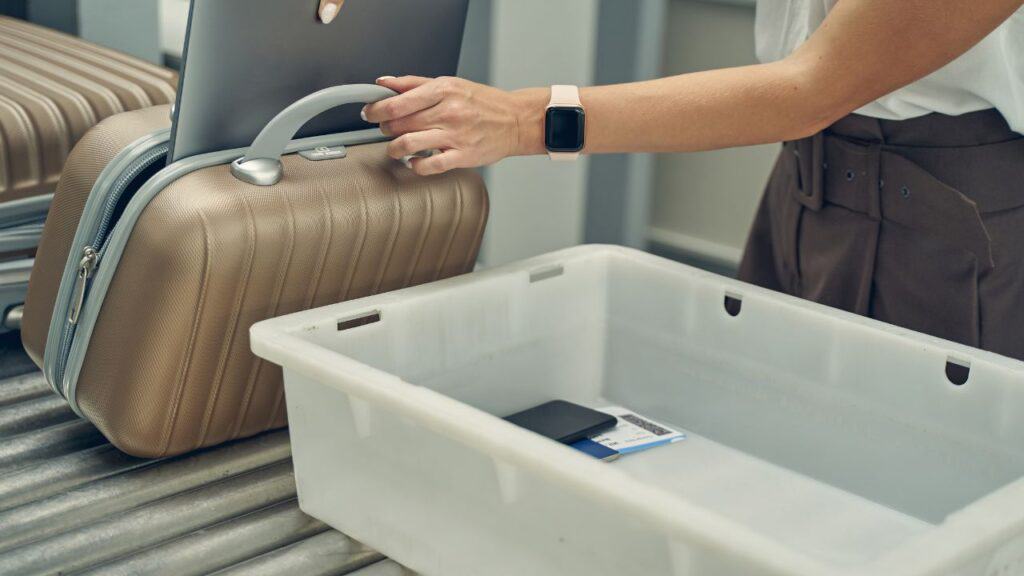
Selecting the optimal hand sanitizer for air travel requires a little more label reading than normal. You have to check the alcohol content; a sanitizer with at least 60% alcohol is necessary for it to be effective against germs. This percentage ensures the active ingredient, usually ethanol or isopropanol, can do its job properly.
Look for travel-size hand sanitizer containers, as these are designed to meet both convenience and TSA regulations. Packaging also plays a crucial role. Ensure your hand sanitizer is in a leak-proof container to avoid spills caused by air pressure changes.
It’s a good idea to place your hand sanitizer container within a clear, resealable bag alongside other personal liquid items, adhering to the TSA’s 3-1-1 rule for carry-on bags. This approach not only streamlines the security screening process but also keeps your essential items readily accessible during your flight.
Best Practices for Using Hand Sanitizer During Your Flight

Boarding a flight now necessitates a strategic approach to hygiene, notably, the effective use of hand sanitizer and disinfectant wipes. You should apply liquid disinfectant before meals and after using the lavatory. Touchpoints like your tray table, seat belt, and armrests harbor germs and warrant a thorough wipe-down with a disinfectant wipe. I always have a pack of Clorox to Go wipes in my personal item.
Carry-on baggage, personal items, or anything retrieved from the overhead bin can also benefit from a sanitizing sweep. Given the spread of viruses, such precautions have become essential routines for safe travel. A travel-size hand sanitizer, conveniently packed in your personal item or carry-on luggage, ensures these practices are within reach throughout your journey.
Sanitizing to New Heights: A Smooth Landing
As we continue to navigate the evolving landscape of air travel, the TSA remains committed to safeguarding the health and safety of all passengers. During the height of the COVID-19 pandemic, the TSA demonstrated its ability to adapt by temporarily allowing larger containers of liquid hand sanitizer in carry-on luggage—a notable exception to the standard 3-1-1 liquids rule. This change underscored the importance of prioritizing public health during unprecedented times.
However, as circumstances have shifted, so have the regulations. The temporary allowance for larger hand sanitizer containers has expired, and hand sanitizers now fall under the usual 3-1-1 rule once again. This means all liquids, including hand sanitizers, must be in containers of 3.4 ounces (100 milliliters) or less, and all items must go through the regular security screening process.
For a hassle-free journey, it’s important to stay informed by checking the TSA website before you travel. Organizing your liquids in a clear plastic bag for quick access at checkpoints will help you navigate security smoothly. While hand sanitizer remains a travel essential, consider supplementing your hygiene routine with disinfectant wipes or alcohol-free options that don’t count against your liquid quota.
As we move forward, adapting to these changes ensures that our commitment to health and safety remains strong, making air travel safer for everyone.