

Traveling abroad is one of life’s most rewarding experiences, but it’s easy to fall victim to common myths that can lead to misunderstandings—or even trouble. The key to a smooth and enjoyable journey is preparation.
By separating fact from fiction, you can avoid embarrassing cultural missteps, respect local customs, and make the most of your adventure. Here are ten myths about traveling abroad that you should leave behind before packing your bags.
“English is spoken everywhere.”

It’s tempting to assume that English will be understood everywhere you go, especially in major tourist destinations. While English is widely spoken in many countries, especially in Europe and parts of Asia, it’s far from universal.
Relying solely on English can lead to frustrating interactions and misunderstandings. Taking the time to learn a few basic phrases in the local language—like “hello,” “please,” and “thank you”—goes a long way in showing respect and fostering goodwill.
“It’s fine to dress however I want.”

Some travelers assume that their personal style or comfort is all that matters when packing for a trip. However, what’s acceptable at home may not align with the dress codes of your destination. In many countries, especially those with conservative cultures or religious significance, exposing too much skin or wearing revealing clothing can be seen as disrespectful.
For example, sleeveless tops or shorts may not be appropriate when visiting temples in Southeast Asia or churches in Italy. Researching dress expectations and packing accordingly helps you blend in and avoid offending anyone.
“Tipping is universal.”

In the U.S., tipping is second nature, but this practice doesn’t translate the same way everywhere. In countries like Japan and South Korea, tipping is not just unnecessary—it can be considered rude or confusing.
Conversely, in many European countries, a service charge is often included in your bill, and additional tipping may not be expected. Always check the tipping norms for your destination to avoid awkward interactions or offending your hosts.
“Travel insurance is a waste of money.”

Many travelers skip buying travel insurance, thinking nothing bad will happen on their trip. But life is unpredictable—whether it’s a sudden illness, a lost passport, or a canceled flight, the unexpected can derail your plans and rack up major expenses.
Travel insurance provides a safety net, ensuring that medical emergencies, trip cancellations, or even lost luggage won’t ruin your trip—or your budget. It’s a small investment that can save you a lot of stress and money.
“You don’t need to follow local laws if you’re a tourist.”

It’s a dangerous myth to think tourists get a pass when it comes to local laws. Every country has its own legal system, and some infractions that may seem minor to you could carry serious penalties.
For instance, chewing gum in Singapore, drinking alcohol in public in Dubai, or disrespecting local traditions in religious sites can result in fines or even jail time. Always familiarize yourself with the laws and customs of your destination to avoid trouble and show respect for the local culture.
“It’s okay to haggle everywhere.”
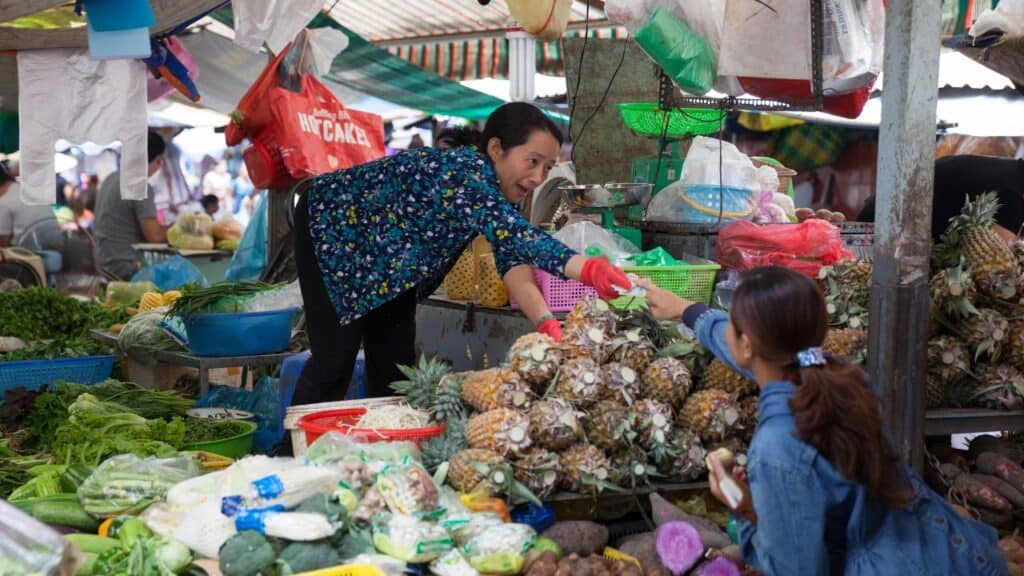
Haggling can be part of the adventure, but assuming it’s appropriate everywhere can lead to uncomfortable situations. In some countries, bargaining is expected in local markets, while in others, it’s seen as disrespectful or even insulting.
Haggling might be encouraged in Moroccan souks but frowned upon in Japanese stores. When in doubt, observe how locals behave or research shopping norms before attempting to bargain.
“The water is safe to drink everywhere.”

Just because locals drink tap water doesn’t mean it’s safe for tourists. Your body may not be accustomed to the local water supply, even if it’s technically clean. In many destinations, drinking tap water can lead to unpleasant stomach issues or worse.
To stay safe, always check the water quality before drinking or stick to bottled water, especially in developing countries. If you’re environmentally conscious, consider bringing a reusable bottle with a built-in water filter.
“All currencies are easy to exchange.”

Not all currencies are created equal, and some are more widely accepted than others. If you’re traveling to a remote or less touristy destination, you may struggle to exchange money once you arrive.
Bringing a backup currency like U.S. dollars or euros is always a smart idea, as these are commonly accepted for exchange. Additionally, having a credit card with no foreign transaction fees can give you added flexibility when local cash isn’t an option.
“Photography is always allowed.”
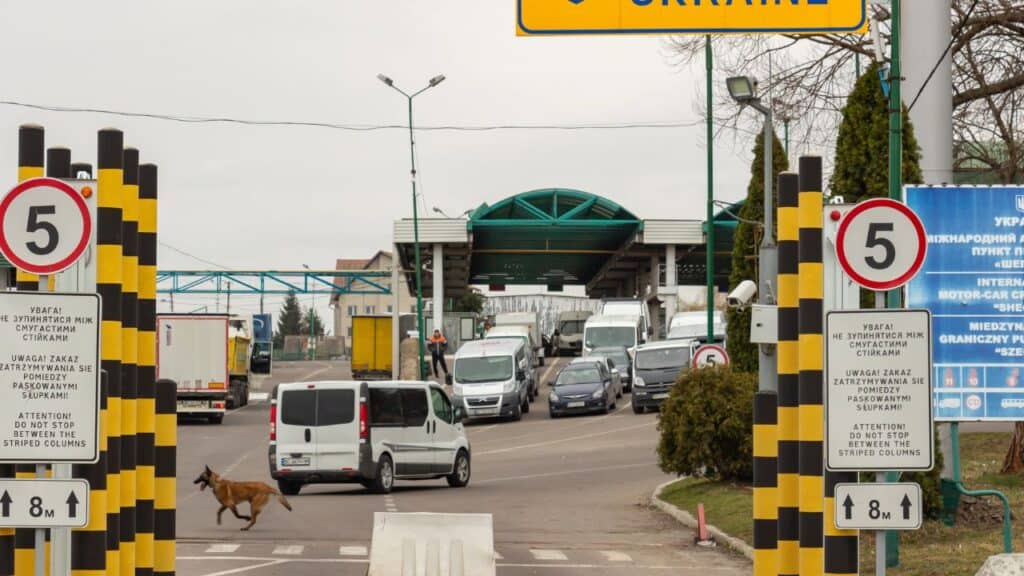
It’s easy to assume that snapping photos is harmless, but in some places, it can get you into trouble. Many countries have restrictions on photography, especially in government or military areas.
Additionally, photographing locals without their permission can be seen as intrusive or disrespectful. Always ask before taking someone’s picture and check for posted signs about photography restrictions.
“Everyone follows the same social norms.”

Social norms vary widely across cultures, and assuming everyone shares the same customs can lead to awkward or offensive situations. A friendly handshake may be standard in the U.S., but in some countries, physical contact between strangers is inappropriate.
Similarly, in parts of the Middle East, showing the soles of your feet is considered disrespectful. Researching local etiquette—such as dining customs, greetings, and gestures—can help you avoid misunderstandings and make a positive impression.