

When it comes to celebrating the New Year, every country has its own special way of marking the occasion. While some stick to classic fireworks and countdowns, others embrace truly unique, quirky, and even downright surprising traditions. From smashing plates in Denmark to running around the block with suitcases in Colombia, these customs offer fascinating insights into how different cultures welcome a fresh start.
Whether rooted in ancient superstition, religious practices, or just plain fun, these traditions bring excitement and renewal to the turn of the calendar. If you’re looking to add some global inspiration to your New Year’s plans—or just want to see how creative people can get—these 15 New Year’s traditions from around the world will leave you amazed and intrigued.
Eating 12 Grapes at Midnight – Spain

In Spain, the clock striking midnight marks the start of a quirky tradition: eating 12 grapes in rapid succession. Each grape represents a month of the coming year, and eating them all ensures good fortune and prosperity. Timing is crucial—each grape is eaten in sync with the chimes of the clock, making it a race against time that’s as fun as it is symbolic.
This tradition dates back to the late 19th century when grape farmers in Alicante promoted it as a way to sell their surplus. Over time, it became an iconic New Year’s Eve activity.
Wearing Red or Yellow Underwear – Latin America

In countries like Mexico, Bolivia, and Chile, underwear plays an important role in New Year’s superstitions. People believe that wearing specific colors can shape their destiny for the year ahead. Red underwear is thought to bring love and passion, while yellow promises financial prosperity and success.
The tradition is taken so seriously that markets and stores are flooded with brightly colored undergarments in the days leading up to New Year’s Eve. Some even say that the underwear should be a gift to maximize its effectiveness.
Burning Effigies – Ecuador

In Ecuador, the streets light up on New Year’s Eve with bonfires fueled by life-sized effigies. These effigies, known as “años viejos” (old years), often represent politicians, celebrities, or fictional characters. The act of burning them is symbolic, representing the purging of negative energy and the past year’s misfortunes.
Families gather to create their effigies, adding personal touches to reflect their year’s experiences. At midnight, the effigies are set ablaze, filling the air with the smoky promise of a fresh start.
Throwing Dishes – Denmark
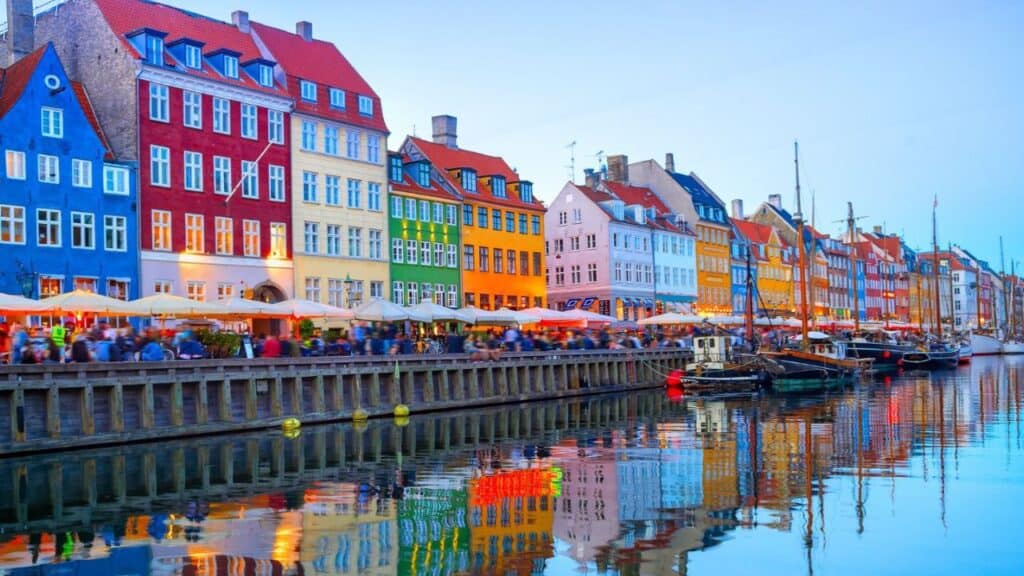
Danes have a smashing way of bringing in the New Year—literally! On New Year’s Eve, it’s a tradition to throw plates and dishes against friends’ and neighbors’ doors. The more broken dishware someone finds outside their home, the more luck they are believed to have for the upcoming year.
While it might sound chaotic, it’s all in good fun, with families and friends happily cleaning up the broken shards as a sign of shared joy and affection.
Dropping Ice Cream on the Floor – Switzerland

In Switzerland, a sweet yet peculiar tradition takes center stage. On New Year’s Day, people drop a dollop of ice cream onto the floor as a symbol of abundance. The act signifies that there will always be enough to go around in the coming year.
This lighthearted custom is a reminder to celebrate life’s small pleasures and share good fortune.
Carrying Suitcases – Colombia
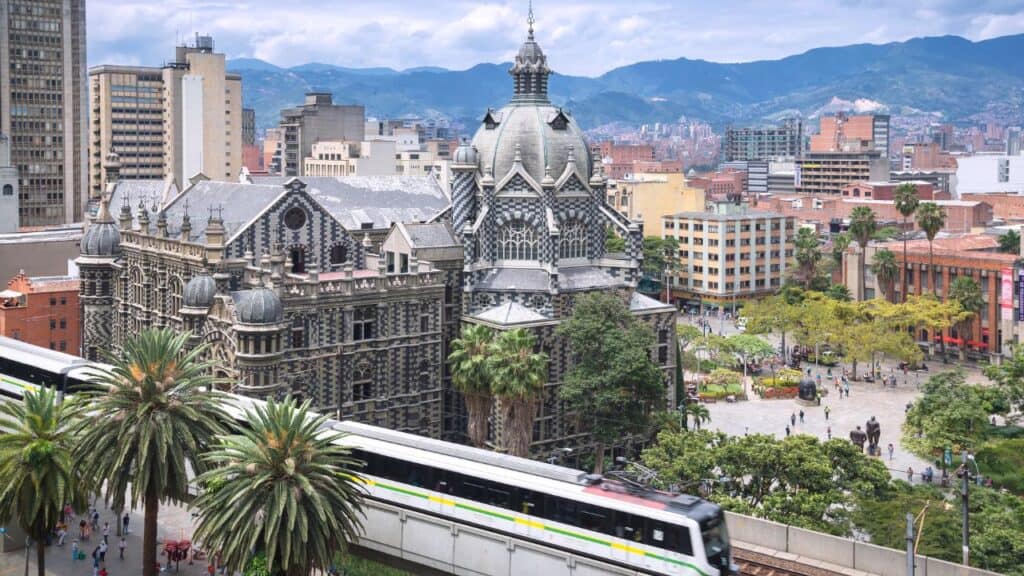
Colombians with a thirst for adventure embrace the New Year with suitcases in hand. As the clock strikes midnight, they grab an empty suitcase and run around the block. The belief is that this guarantees a year filled with travel and exciting journeys.
This tradition is perfect for travelers hoping to explore new horizons. Whether or not it works, the sight of people running with suitcases through the streets adds a festive and humorous touch to the celebrations.
Pouring Lead – Germany

In Germany, fortune-telling takes a molten twist on New Year’s Eve. Known as “Bleigießen,” people melt small pieces of lead or tin over a flame, and then pour the liquid into cold water. The resulting shape is interpreted as a prediction for the year ahead.
Common interpretations include hearts for love, anchors for hope, and rings for marriage. While the practice has become less common due to environmental concerns, modern alternatives like wax pouring have kept the tradition alive.
First-Footing – Scotland

Scotland celebrates Hogmanay, their version of New Year’s Eve, with a custom called “first-footing.” The first person to cross your doorstep after midnight is believed to bring luck. Ideally, this visitor is a dark-haired male carrying symbolic gifts like coal, whiskey, or shortbread.
This tradition has its roots in Viking times and reflects the importance of hospitality and community in Scottish culture.
Throwing Furniture Out the Window – South Africa

In some neighborhoods of Johannesburg, South Africa, residents bid farewell to the old year by literally tossing old furniture out the window. This dramatic gesture symbolizes letting go of the past to make room for new blessings.
While the practice has led to safety concerns in urban areas, its spirit of renewal resonates with many. It’s a bold and cathartic way to embrace the fresh start that a new year offers.
Banging Bread – Ireland

In Ireland, loaves of bread are used for more than just eating on New Year’s Eve. Families bang them against the walls and doors of their homes to drive out evil spirits and invite good fortune.
This tradition combines two superstitions, as the bread’s crumbs are also seen as a way to feed household spirits.
Eating Soba Noodles – Japan
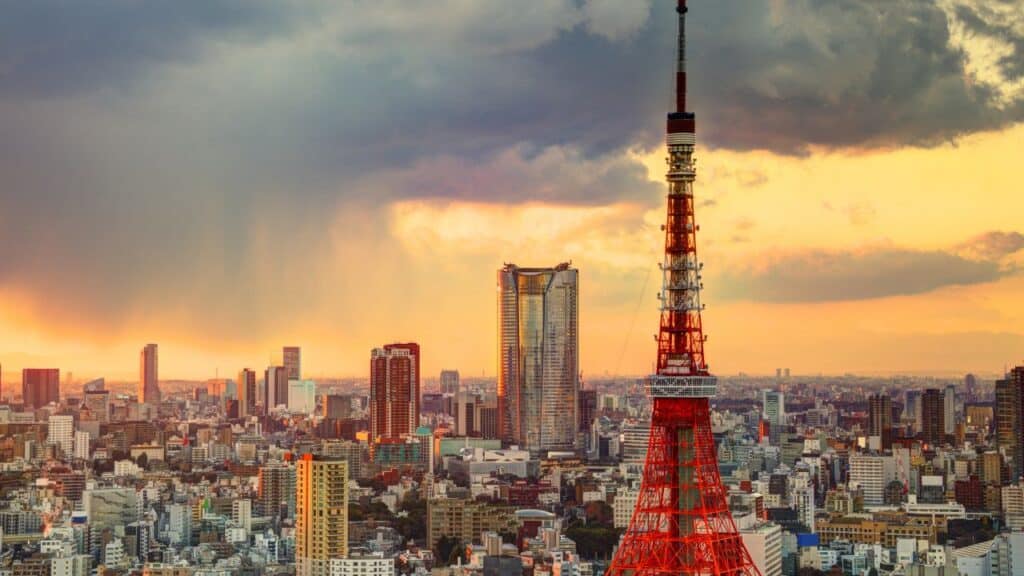
The Japanese enjoy a special dish called toshikoshi soba, or “year-crossing noodles,” on New Year’s Eve. The long noodles symbolize a long and healthy life, while their easy-to-cut texture represents letting go of past hardships.
Families gather to eat soba together, making it a moment of reflection and renewal. The simplicity of the dish underscores the Japanese value of finding meaning in everyday rituals.
Wearing White – Brazil

In Brazil, wearing white clothing on New Year’s Eve is a tradition that symbolizes peace and renewal. Many also head to the beach to jump over seven waves, making a wish for each jump.
This custom is rooted in Afro-Brazilian traditions honoring the sea goddess Iemanjá. The sight of thousands dressed in white along Brazil’s beaches creates a serene and unified start to the new year.
Eating Lentils – Italy

Italians welcome the New Year with a plate of lentils, which are believed to resemble coins. Eating them is thought to bring financial prosperity and abundance in the coming year.
The dish is often served alongside cotechino (a type of sausage), adding to the festive feast.
Ringing Bells 108 Times – Japan

In Buddhist temples across Japan, bells are rung 108 times to cleanse away the 108 earthly desires according to Buddhist belief. This practice, called Joya no Kane, is meant to purify the soul and bring clarity for the year ahead.
The resonant sound of the bells creates a meditative and spiritual atmosphere, reminding participants to reflect on their inner lives.
Kissing at Midnight – USA

In the United States, sharing a kiss at the stroke of midnight is a beloved tradition. This gesture is believed to strengthen bonds with loved ones and ensure a year filled with love and connection.
The tradition is said to have roots in European folklore, where a midnight kiss was thought to ward off evil spirits. Today, it’s a romantic and festive way to welcome the new year with those closest to you.