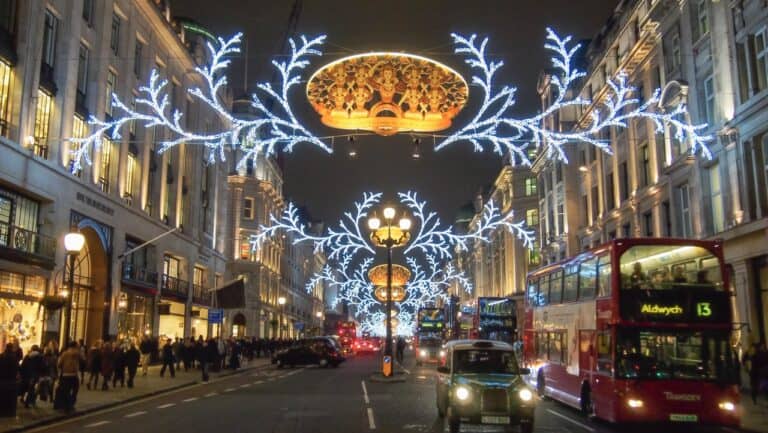

Noctourism, the growing trend of exploring destinations under the cover of darkness, is transforming how we travel. Noctourism offers a unique way to connect with a destination’s natural beauty, culture, and mystery.
Unlike traditional sightseeing, noctourism emphasizes experiences that thrive after sunset, these destinations invite you to see the world in a whole new light—or lack of it.
Aoraki Mackenzie International Dark Sky Reserve, New Zealand
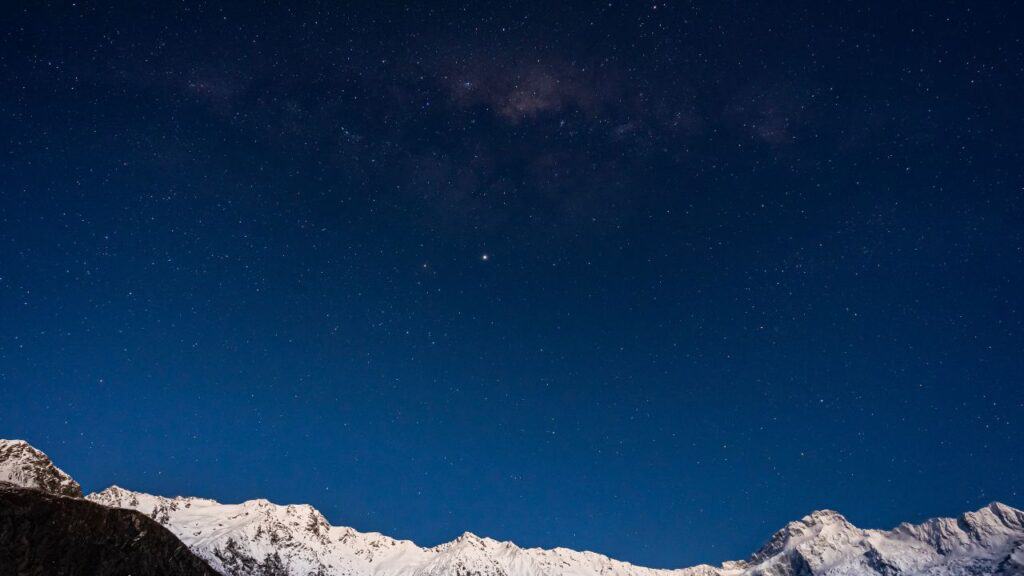
This reserve, located in the heart of New Zealand’s South Island, is renowned for its pristine, star-filled skies. It spans the Aoraki/Mount Cook region and the Mackenzie Basin, offering some of the best stargazing opportunities in the Southern Hemisphere. Guided tours are available, with telescopes set up for viewing celestial wonders like the Milky Way, the Southern Cross, and even the Magellanic Clouds.
Visitors can also enjoy nighttime hikes or stay in accommodations designed for stargazing, such as observatory lodges. The region combines breathtaking mountain scenery with a tranquil nighttime atmosphere, perfect for those seeking a cosmic escape.
Jasper National Park Dark Sky Preserve, Canada
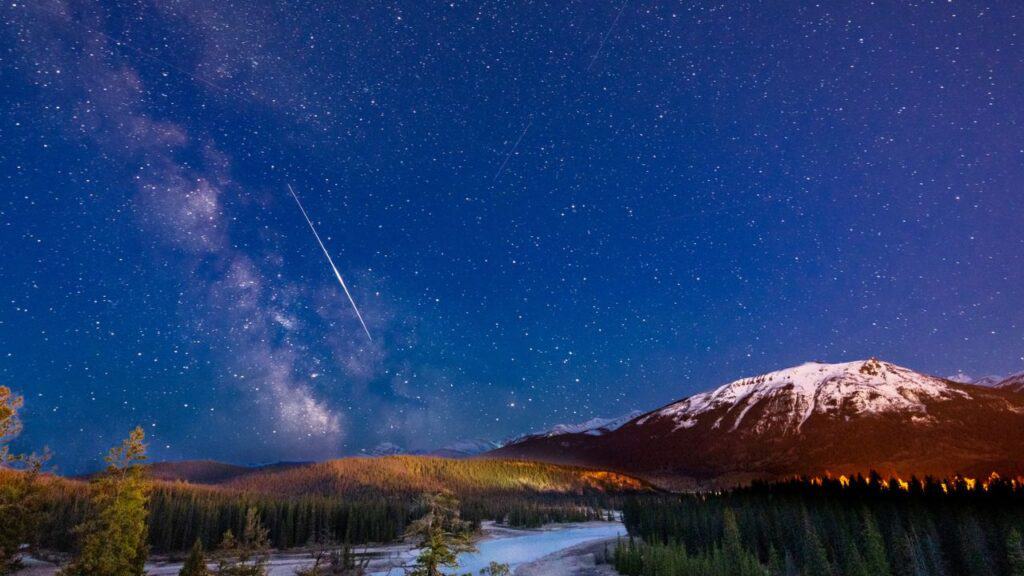
Jasper, part of the Canadian Rockies, is the second-largest dark sky preserve in the world. The park hosts the annual Jasper Dark Sky Festival, which features astronomy workshops, guest speakers, and stargazing parties. Throughout the year, visitors can join guided tours to see meteor showers, constellations, and even the northern lights.
Other nighttime activities include moonlit wildlife tours and astrophotography workshops. Jasper’s accessibility and breathtaking natural setting make it a favorite for noctourists seeking a mix of wilderness and stargazing.
Brecon Beacons National Park, Wales

This certified International Dark Sky Reserve offers stunning views of the Milky Way, major constellations, and meteor showers. The Brecon Beacons is an excellent destination for noctourism in Europe, thanks to its remote location and commitment to preserving its dark skies.
Nighttime activities here include stargazing events, guided astronomy walks, and storytelling sessions around campfires. The park also offers accommodations tailored for noctourists, such as eco-friendly lodges with skylights.
Death Valley National Park, USA
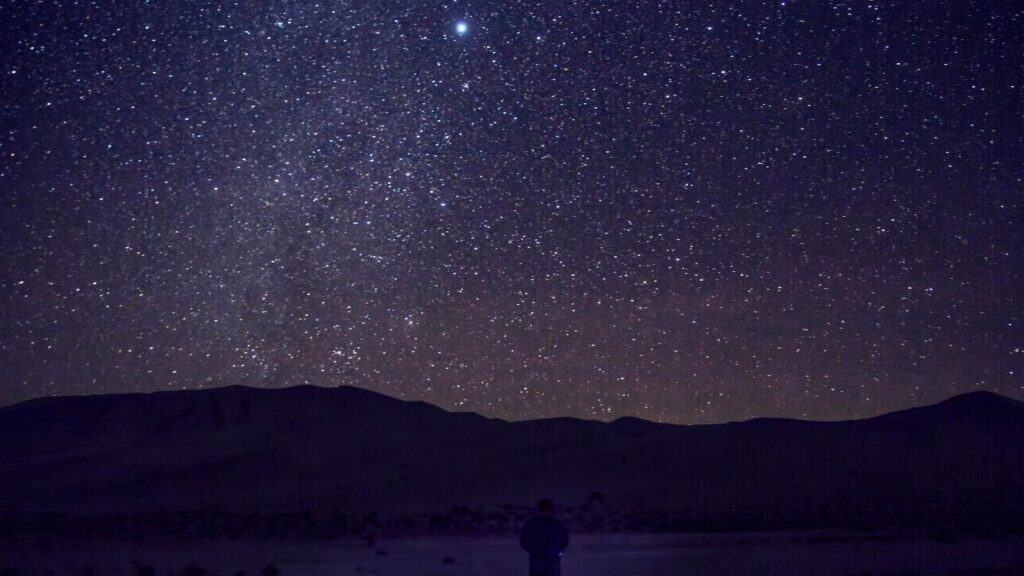
Death Valley, known for its dramatic desert landscapes, is one of the best places in the United States for stargazing. Its status as an International Dark Sky Park ensures minimal light pollution, allowing for incredible views of the stars, planets, and the Milky Way. Ranger-led night programs and stargazing events are common in the cooler months.
The park also offers a unique opportunity to explore its eerie, moon-like terrain at night, adding to its nocturnal appeal. Death Valley’s vast open spaces and clear skies make it a must-visit for nighttime adventurers.
NamibRand Nature Reserve, Namibia

This reserve is one of Africa’s first International Dark Sky Reserves. Located in the Namib Desert, it offers some of the darkest skies on the planet, making it ideal for stargazing. Visitors can enjoy guided night walks to observe the southern celestial sphere, including the Southern Cross and the Large Magellanic Cloud.
The reserve also features eco-lodges with open-air viewing platforms. Its combination of dramatic desert landscapes and unparalleled night skies creates an unforgettable noctourism experience.
Galloway Forest Park, Scotland
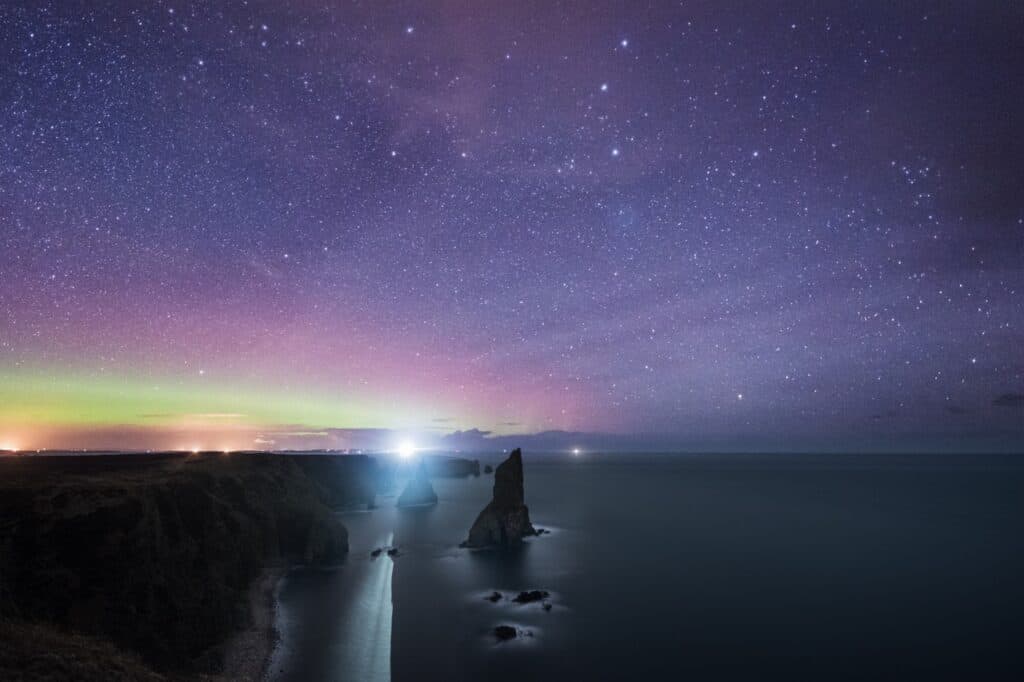
Scotland’s first Dark Sky Park, Galloway Forest, is a haven for stargazers in the UK. Its remote location ensures minimal light pollution, allowing for excellent visibility of constellations, planets, and meteor showers. The park offers stargazing platforms and hosts regular astronomy events.
The area is also ideal for nocturnal wildlife spotting and evening forest walks. Depending on the time of year, you may also be able to spot the Northern Lights.
Lapland, Finland

Lapland is a haven for noctourists seeking unique Arctic experiences. The region’s long winter nights are perfect for viewing the northern lights, and activities like reindeer sleigh rides or snowmobile safaris under the stars immerse you in Lapland’s magical landscape.
Stay in a glass igloo or snow hotel to fully embrace the nocturnal charm. Many local operators also offer nighttime photography workshops, ensuring you can capture the beauty of Lapland’s Arctic nights. It’s a destination where the night truly comes alive.
Kerry International Dark Sky Reserve, Ireland
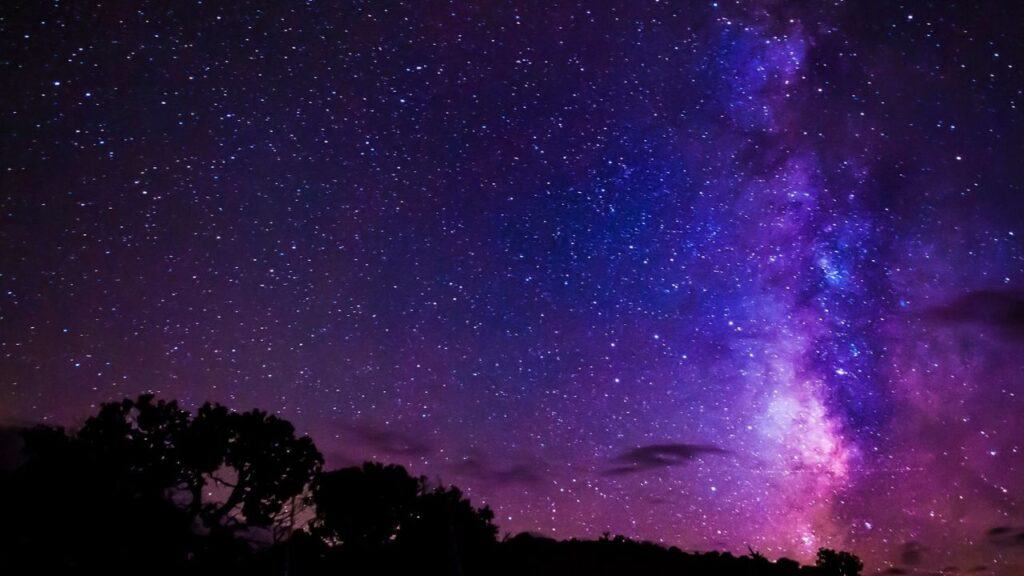
Situated on the Iveragh Peninsula, this reserve is one of the few Gold Tier Dark Sky Reserves in the world. It offers stunning views of the Milky Way, constellations, and even distant galaxies. Local guides provide nighttime tours, including historical storytelling and tips for astrophotography.
The reserve is also a fantastic place for nighttime coastal walks and wildlife spotting. Kerry’s combination of rugged landscapes and dark skies makes it a magical noctourism destination.
Rhön Biosphere Reserve, Germany

This UNESCO-recognized dark sky reserve in central Germany is known for its clear skies and innovative stargazing programs. The region offers astronomy workshops, night hikes, and observatory tours for visitors of all ages.
Rhön is also a hotspot for nocturnal photography, with its rolling hills and dark skies providing the perfect backdrop. Its commitment to preserving both biodiversity and dark skies makes it a unique noctourism location.
Exmoor National Park, England
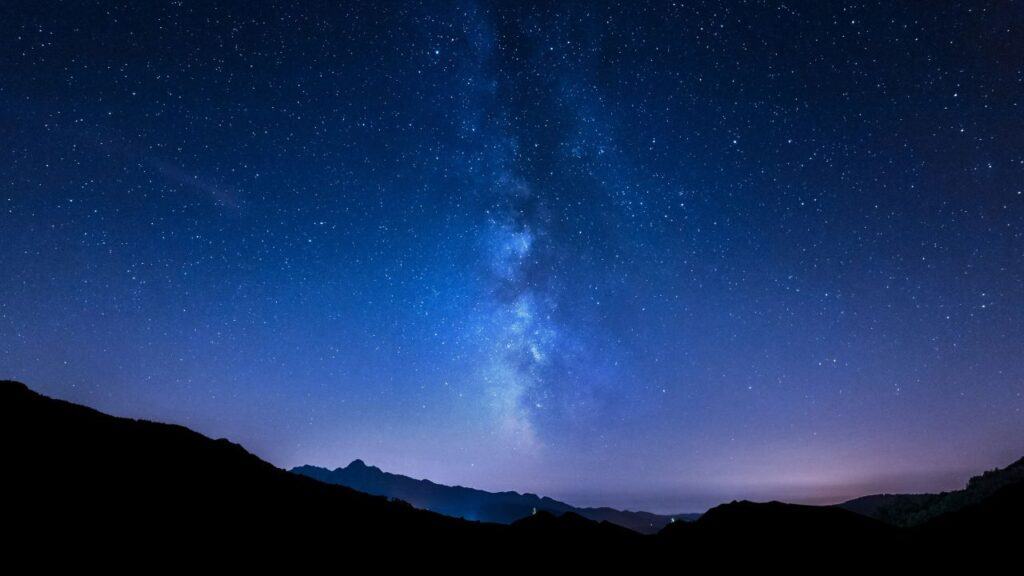
Exmoor, located in southwest England, was the first International Dark Sky Reserve in Europe. Its open moorlands and remote villages provide the perfect setting for stargazing. The park organizes regular night sky events, including meteor-watching parties and constellation tours.
Visitors can also enjoy nocturnal wildlife walks or simply relax in dark-sky-friendly accommodations. Exmoor’s charm lies in its blend of natural beauty and accessibility, making it a top noctourism destination.